Private car, guide and interpreter in ChinaJiangxi
Jingdezhen Guide: Tour Guide · Private Car · Interpreter
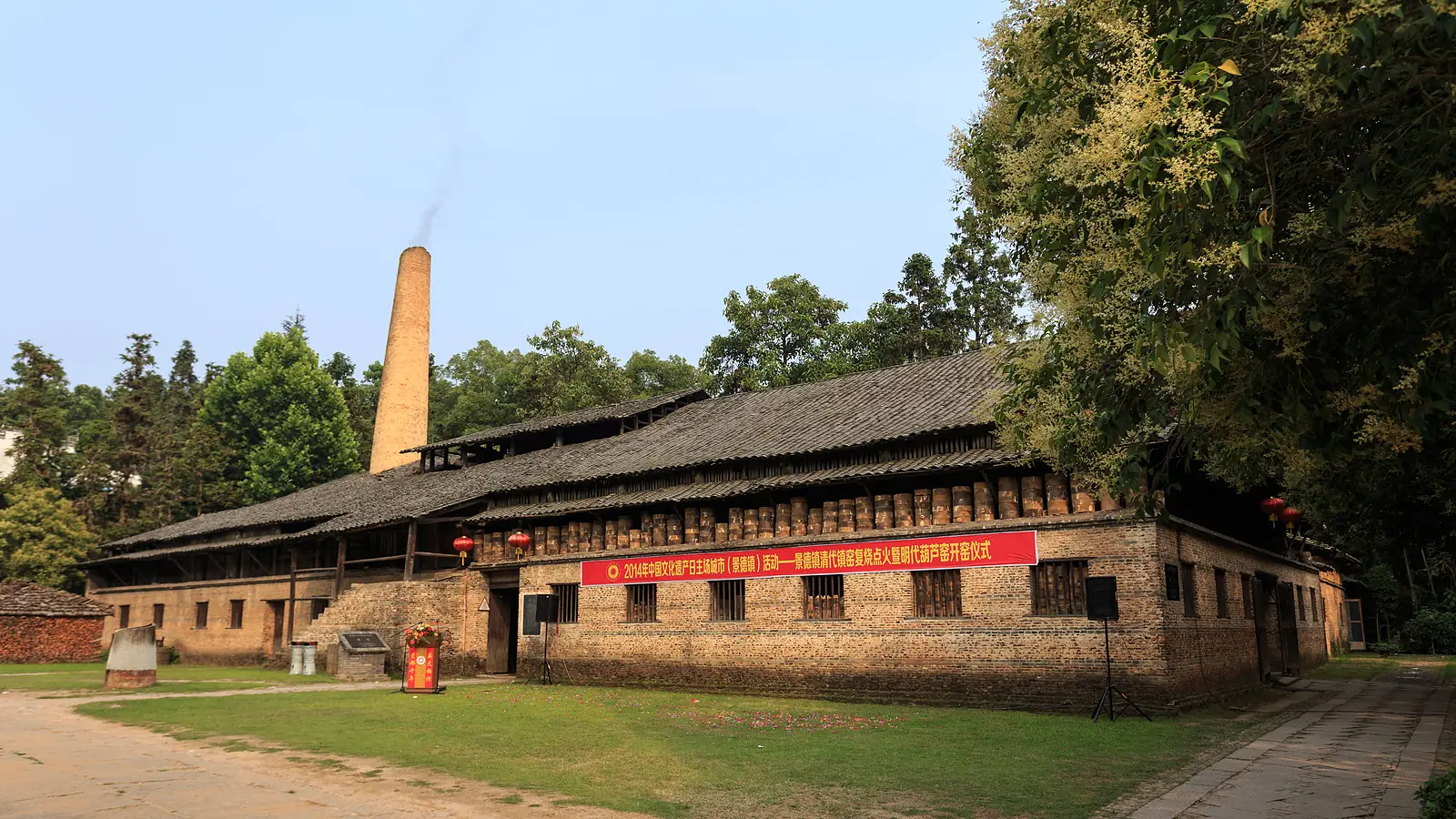
Lead with a tour guide in Jingdezhen. The city is a kiln-and-workshop landscape, and a walking day among historic ceramic sites rewards a guide who can explain the process, order the stops, and place shade and meal breaks. The Ancient Kiln (古窑), the China Ceramic Museum, and Taoyangli (陶阳里) with the Imperial Kiln (御窑) are honest named cores, not a package. Keep a Sanbao (三宝) workshop-village block on split hours — or a separate calendar day — rather than stacking every kiln district into one window. A private car is support, not the main event: JDZ meets, ticket-printed station handoffs, luggage hops, and district-edge drops — not the kiln lanes. An interpreter covers clinic appointments, supplier meetings, and factory mornings.
China On Call matches tour guide, private car, and interpreter. We do not sell fixed tour packages or scenic combo tickets — tickets stay self-held.
Start with the brief (#brief) or the contact brief: city, dates, party size, language, service. A coordinator replies with plan and quote; WhatsApp and WeChat are reply channels only.
Fast human reply · quick matching
Three ways to ask for Jingdezhen
Tour guide
Ask for a guide first when the day is about porcelain on foot. A kiln-and-museum day — the Ancient Kiln (古窑), the China Ceramic Museum, Taoyangli (陶阳里) and the Imperial Kiln (御窑) — goes better with someone who can explain firing, form, and historic workshops, order the stops, and tell you what to drop when a reservation window, a weekday closure, or a crowd wave sits over the afternoon. Say what you want explained: kiln processes, historic lanes, museum rooms, photo stops, a named site you already hold tickets for, and whether anyone needs shorter walking stretches or a slower pace. A Sanbao (三宝) workshop-village block is a different ask from a city-kiln morning, so say which one you mean and whether they sit on separate dates. Keep a pure airport, station, or luggage transfer as its own brief rather than folding it into a guided walking morning. Tickets stay self-held; we do not sell museum, kiln-site, or scenic combo tickets. Start a Jingdezhen guide brief: /en/tour-guide/?city=jingdezhen. For what to put in the first message, see how to brief a guide.
Private car
Use a car and driver for JDZ (Jingdezhen Luojia) meets, a rail-station meet (the station name on your ticket matters), luggage hops, and the legs between kiln districts — the city is spread, and one site to the next is a road hop, not a single lane stroll. A car also handles museum-gate and village-edge drop-offs, where the driver waits while you walk in. The car does not crawl the kiln lanes or museum halls with you. Name the airport code or exact station, the flight or train number, the bag count, and the hotel or district-edge landmark. 景德镇北 (Jingdezhen North) and 景德镇 (Jingdezhen) are different stations with different meets, so send the one printed on your ticket rather than a guess. For how a mainland car brief is usually phrased: book a private car in China. Start a Jingdezhen car brief: /en/private-car/?city=jingdezhen.
Interpreter
Supplier meetings, ceramic-factory or workshop visits, clinic appointments, and light office mornings are a common Jingdezhen interpreter brief when language support matters more than sightseeing commentary. Name the venue, the district if you know it, the must-arrive time, and the working language. Say whether language support covers the whole meeting block or only the meet-and-greet. We do not promise venue admission — a factory, workshop, museum store-room, or office may have its own entry rules, and an interpreter is not a ticket into a closed site. A sightseeing guide is the wrong match for a negotiation table or a ward conversation. How we tell guide from interpreter: choose a guide or interpreter. Start a Jingdezhen interpreter brief: /en/interpreter/?city=jingdezhen.
Typical days in Jingdezhen
These are planning shapes, not packages. No fixed route names, scenic combos, ticket stacks, or prices — only what usually fills a day so we can match the right tour guide, private car, and interpreter.
Kiln-and-museum walking day with a guide
Pick one city cluster and walk it properly: the Ancient Kiln (古窑) for working-kiln process, the China Ceramic Museum for the longer collection, or both with honest hours between them. A guide sets the order, keeps the middle hours paced, builds in a real meal break, and trades a coach wave or a reservation window against a quieter room or courtyard. A car handles the hotel pickup, the gate drop, and the return without shadowing the halls. Write whether you want a half-day or the full daylight window, and whether anyone needs shorter walking stretches. If a museum needs a reservation or is closed one weekday, put that in the brief; tickets stay self-held.
Taoyangli, Imperial Kiln, or Sanbao workshop-village day
Taoyangli (陶阳里) and the Imperial Kiln (御窑) are a historic-lane shape: courtyards, kiln remains, and a walking block inside a compact district. Sanbao (三宝) is a workshop-village shape farther out — studio lanes and a slower valley pace — so it is usually a car leg plus a walking block, not a short hop from the city-kiln cluster. Prefer split hours, or a separate calendar day, rather than stacking a full museum morning, a Taoyangli walk, and Sanbao into one window. Say whether you want the guide for the whole block or only the lanes, and whether the day is sightseeing commentary or a workshop visit that may need an interpreter instead. Tickets stay self-held; we do not sell kiln-site or scenic combo tickets, and we do not promise admission to a private studio.
Airport or rail arrival — JDZ, Jingdezhen North, Jingdezhen
JDZ (Jingdezhen Luojia) is the usual commercial airport meet. Write the airport code and terminal from your boarding pass. Rail arrivals are a separate pickup: 景德镇北 (Jingdezhen North) and 景德镇 (Jingdezhen) are different stations with different meets, so use the station name printed on your ticket and do not assume one is always right. An arrival day is usually airport or station → hotel, bags, and rest, or a light first walk if energy allows. Say whether a kiln or museum block starts the same evening or the next morning; late landings rarely leave honest museum hours. For waiting time, delays, and luggage notes: airport private car pickup.
Same-week Huangshan or Wuyuan handoff
Jingdezhen often sits as a porcelain stop on a wider Jiangxi or Anhui trip week, with Huangshan as a common mountain bookend and Wuyuan as a nearby village-county edge — not a same-day hard stack of a full kiln day plus a long transfer with no slack. Say which day leaves or arrives Jingdezhen, whether the intercity leg is flight or rail, and whether the next hotel sits near Huangshan or in Wuyuan county. Treat each as a calendar edge; keep the days honest. Keep tickets self-held.
What helps us plan Jingdezhen
- Whether the city kiln-and-museum day and a Taoyangli, Imperial Kiln, or Sanbao block sit on separate calendar dates (recommended) or a deliberately split same-day shape.
- Whether you already hold a museum, kiln-site, or reservation ticket (date and window) or are still arranging it yourself.
- Whether you want sightseeing on arrival day, or only transfer and rest.
- Airport code (JDZ) or the rail station name printed on your ticket — 景德镇北 (Jingdezhen North) and 景德镇 (Jingdezhen) are different meets.
- Hotel area and whether a car is needed at district edges only, rather than through the kiln lanes.
- Whether you want a walking guide for the kiln and museum block, with the car at the gate.
- Whether a Huangshan or Wuyuan leg sits in the same trip week — and which days leave or return — plus flight or rail preference.
- Whether a clinic, supplier, factory, or workshop morning sits in the same week, with venue name and must-arrive time — and whether that block needs an interpreter rather than a sightseeing guide.
- Working language for the guide and interpreter (English, Mandarin, Japanese, Korean, or another — name it), party size, and whether anyone needs shorter walking stretches.
- Month and weekday flexibility: rain, holiday weeks, and museum closed days or reservation windows change what is walkable and whether a held slot still leaves an honest afternoon.
Airports & stations
Jingdezhen's main commercial airport is commonly coded JDZ (Jingdezhen Luojia). Write the code from the last flight segment on your boarding pass and the terminal. Naming JDZ clearly avoids a half-day mistake. Rail arrivals are a separate pickup — use the name printed on your ticket, since 景德镇北 (Jingdezhen North) and 景德镇 (Jingdezhen) are different stations and station names are not interchangeable meets. A station-to-hotel transfer is a normal private-car brief on its own. District-to-district hops — museum gate, Taoyangli edge, Sanbao village mouth — are also normal car briefs; the walking stays inside each site. For waiting time, delays, and luggage notes, use airport private car pickup. Same-week trip edges: Huangshan guides and Wuyuan guides.
Languages for the guide and interpreter
This page's language is not the working language. For Jingdezhen sightseeing, English and Mandarin are common asks. For clinic, supplier, factory, and workshop days, Japanese, Korean, and other languages also come up — we do not promise any language is always available. Name the working language in the brief, say whether it is needed for the whole block or only part of it, and we confirm whether we can match someone for your dates. Put that in the brief on this page (#brief) rather than in a separate chat thread.
Short answers
Should we ask for a guide first in Jingdezhen?
For a kiln-and-museum walking day and a paced Taoyangli or Sanbao block, yes — those hours are better with someone who can explain porcelain processes and order the stops. Add a car for JDZ or station meets, luggage hops, and the road legs between kiln districts.
Do we need a car inside the kiln sites?
No. Lanes, museum halls, and workshop courtyards are walked, and a car waits at the gate or village mouth. Cars earn their place for JDZ or station meets, luggage hops, hotel↔district approaches, and hops from one kiln district to the next.
Do you sell museum, kiln-site, or scenic combo tickets?
No. We match tour guide, private car, and interpreter to your dates. Museum tickets, kiln-site tickets, and reservation windows stay self-held — or ask the coordinator what you typically need to buy yourself. We do not sell fixed tour packages or scenic combos. Say in the brief whether you already hold a timed slot, and whether a weekday closure applies.
Can we do the Ancient Kiln, Taoyangli, and Sanbao on the same day?
Only with clearly split hours — or prefer separate calendar days. Stacking a full museum or Ancient Kiln morning, a Taoyangli walk, and a Sanbao village block usually undercounts travel and walking time. Tell us which one is primary if more than one must share a date.
JDZ — is that the only airport code we should send?
For most commercial flights into Jingdezhen, yes: JDZ (Jingdezhen Luojia). Put the code, terminal, flight number, and bag count in the brief. If your ticket shows a different code, send what is printed — do not assume.
Which rail station should we name — Jingdezhen North or Jingdezhen?
Send the station name printed on your ticket. 景德镇北 (Jingdezhen North) and 景德镇 (Jingdezhen) are different stations with different meets, and we do not treat one as always correct. Add the train number and arrival time so the pickup matches the right platform exit.
Can we combine Jingdezhen with Huangshan or Wuyuan in the same week?
Often yes as a trip-week plan, not as one overloaded day. Say which days sit in Jingdezhen and which move to Huangshan or Wuyuan, and whether you hold flight or rail tickets. See Huangshan guides and Wuyuan guides. Do not bury an overnight elsewhere as a footnote on a Jingdezhen-only message.
We have a factory, supplier, or clinic visit. What should we send?
Send the venue name, the district if you know it, and every must-arrive time. If you need language support, ask for an interpreter and name the working language. A sightseeing guide is not the right match for a negotiation table, a factory morning, or a ward conversation, and no interpreter booking promises admission to a closed venue. Keep that brief separate from the kiln-and-museum days.
Is peak season harder to book?
Holiday weeks and popular museum or kiln weekends fill earlier, and some collections close one weekday or need a reservation. Send dates, party size, language, and which services you need (guide · car · interpreter) as soon as dates are firm. We confirm someone only when they are free.
Also on this site
Fill the brief on this page — #brief — or use the contact brief. Send city, dates, party size, language, and service (guide · car · interpreter), plus any notes: JDZ or the exact station on your ticket, hotel area, a held museum or kiln-site window, the city kiln day as a separate date from a Sanbao or Taoyangli block, weather or walking limits, factory, clinic, or supplier venue, must-arrive times, and Huangshan or Wuyuan link days. Tickets stay self-held. A coordinator replies with a plan and a quote once the brief is in — by WhatsApp, or by WeChat on some phones. Ask early if dates are firm; we confirm someone only when they are free.